CLient Services
Assigned Certifier
Building Regulations
There is an obligation under section 3(5) of the Building Control Act 1990 that buildings be designed and constructed in accordance with the relevant requirements of the Building Regulations. Building Owners, Designers and Builders are bound by this legal requirement. In undertaking building works, appropriate measures should be taken so that the work is in accordance with the Building Regulations.
Building Control (Amendment) Regulations 2014
From March 1st 2014, the Building Control (Amendment) Regulations 2014 (known as BCAR) now provide for a much more intensive system of monitoring and control of certain building or works to ensure compliance with the Building Regulations.
The new legislation requires mandatory design certification, lodgement of plans and particulars, builders supervision and certification, mandatory inspection by an appointed Assigned Certifier with inter-reliance on ancillary certification by key parties involved in the building process.
Along with the Building Regulations which outline minimum construction standards, Building Control Regulations provide for the control mechanisms to support the implementation of standards including such items as Commencement Notices, Fire Safety Certificates, Disability Access Certificates and now, in certain cases, Certificates of Compliance.
BCAR has also introduced a “Code of Practice for Inspecting and Certifying Buildings and Works” and an online Building Control Management System (BCMS). Statutory certificates are submitted with the plans specifications and certifications to the Building Control Authority through the BCMS.
The Role of the Assigned Certifier
The role of Assigned Certifier is critical to the implementation of the new regulations. The Assigned Certifier will co-ordinate the inspection plan and inspection notification framework and will carry out or arrange to have appropriate inspections to ensure adequate evidence of compliance with Building Regulation and will ensure there are sufficient Ancillary Certificates by the key persons involved in the design and construction of the building.
During the construction process the Assigned Certifier monitors the works and both the Builder and the Assigned Certifier sign and issues a Certificate of Compliance on Completion. These are submitted along with the plans, calculations, specifications and particulars, showing how the completed building has achieved compliance with the Building Regulations.
J Floyd Engineering as Assigned Certifier
J Floyd Engineering have been carrying out the role of Assigned Certifier for projects since the new regulations came into force, and since that time, our dedicated team have gained extensive experience in the area on a variety of project sizes
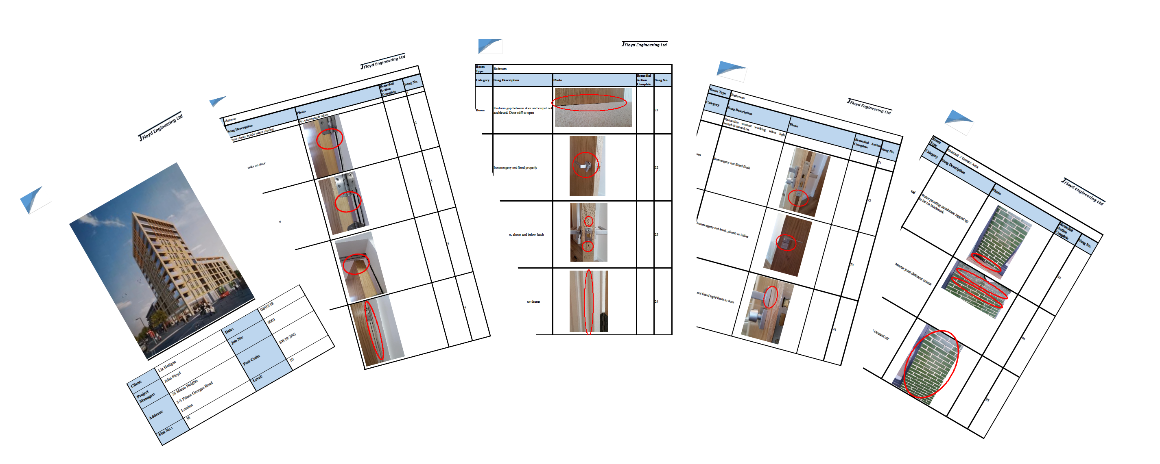
Snag List Reports
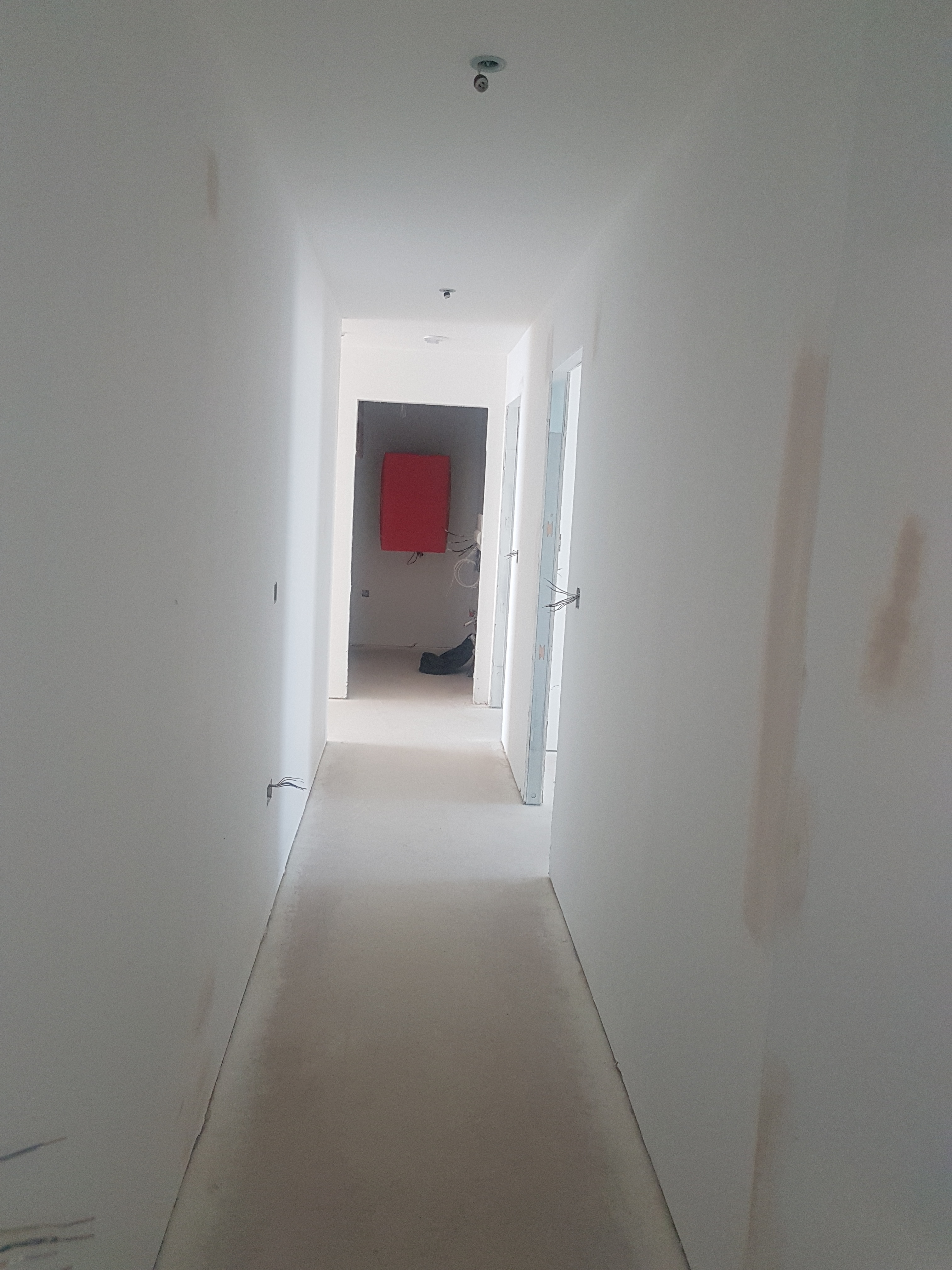
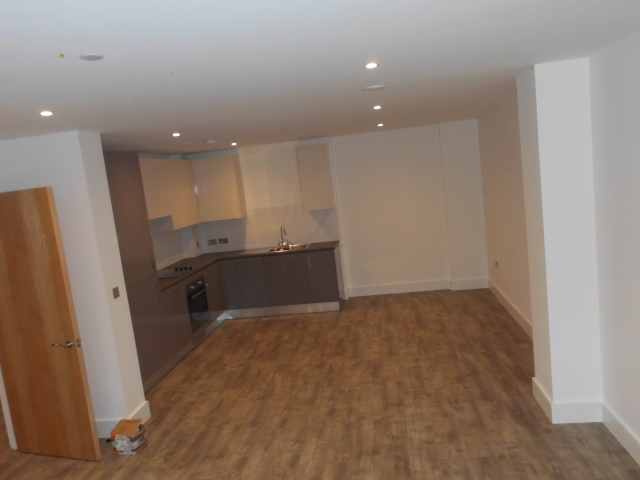
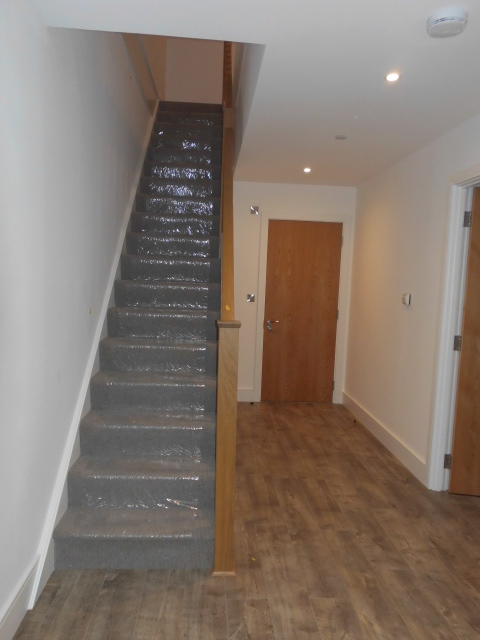
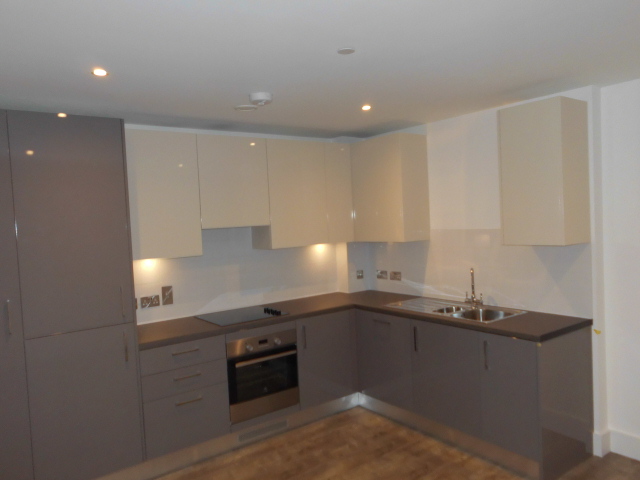
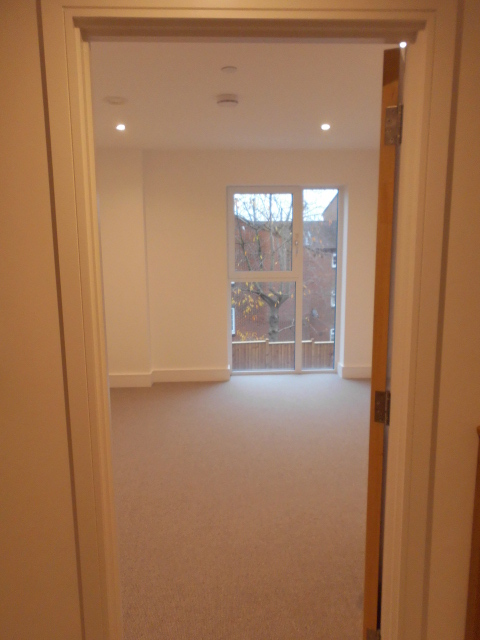
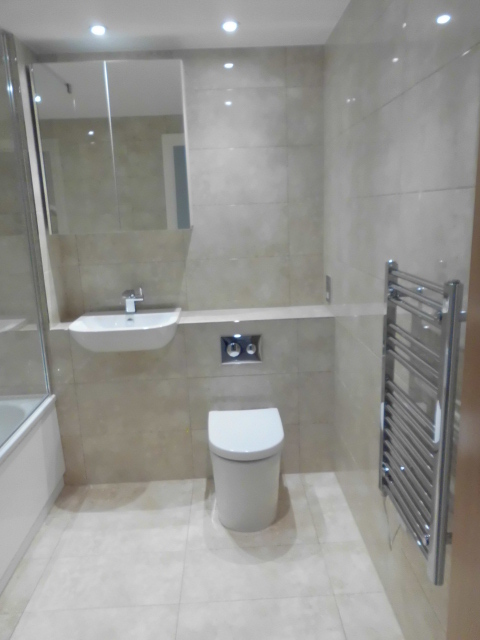
If you’re in the process of buying a new build property, you may have heard of new building snagging. However, it’s important to understand what it is and what it involves as it could save you money on avoidable repairs. New building snagging is a service provided by many property inspectors and the aim is to ensure new properties are finished to a high standard and without defects.
When you buy a new build home, you do so under the assumption that everything inside the home is up to the high standard you’d expect. After all, if everything is brand new how could anything go wrong? However, things do go wrong on occasion and some homeowners are left with problems that can prove to be costly. Therefore, it’s always important to have a building survey carried out before making the final purchase. However, a traditional property survey could be deemed a little excessive as most new build homes are free from issues and problems are rare. This is where a new building snagging survey comes in.
What is a Snagging Survey?
A snagging survey is a type of new build inspection, one that’s designed to check for problems in newly built homes. Though any problems should have been identified by those building the property, issues can be missed and therefore a building survey is advised.
New building snagging surveys are usually carried out before the new homeowners move in, simply so that any problems can be addressed and fixed beforehand. Many housing problems, from minor issues to major structural defects, are more difficult to fix when people are using the property. Therefore, a detailed property inspection should be completed before the move in date and should allow time for any repairs to take place. In fact, our snagging experts usually recommend for new build snagging surveys to take place in the time period between building work being finished and the legal completion date of the sale.
There are different legal requirements surrounding new build properties and, of course, there are some developers that prefer building surveys to take place after the completed sale. In cases such as this, it’s best to have a new build survey completed as soon as possible after you have moved in and developers must repair any problems found within the first two years.
The Importance of a New Build Snagging Survey
New building snagging surveys are slightly different to traditional property inspections; rather than surveying a house to check for any major structural damages or underlying problems, a snagging survey goes above and beyond. As new buildings have yet to be lived in, there’s been no one to test all the little things that go into making it a home. For example, who’s to say whether there’s a leaky tap or whether a door sticks in bad weather? Therefore, snagging surveys are so important for new buildings.
A lot of people who haven’t bought a new build home before find themselves wondering what goes into a snagging report for new properties, and most people are shocked to find that every little detail is covered. At J Floyd Engineering,our snagging reports are extremely thorough, and we will check for:
- Minor problems such as leaky taps, doors that don’t close property, loose kitchen fixtures and missing items.
- Major structural problems and bigger issues such as broken windows, cracked tiling and poorly finished flooring.
- Cosmetic damage such as scratched worktops, chips, paint splashes and anything that appears unfinished.
© Copyright jfloydengineering.ie